Vaginal laxity is one of the most common concerns Dr. Adem Özden sees in his practice. Women describe it differently: a feeling of looseness, reduced sensation during intimacy, tampons that no longer stay in place, or simply the sense that something has changed. These are not imaginary complaints. After three decades performing gynecological surgeries, Dr. Özden can confirm that vaginal laxity almost always has a clear physiological cause, and vaginoplasty is the most effective surgical solution to address it.
Table of Contents
1. What Is Vaginoplasty? 2. Why Vaginal Laxity Occurs? 3. What Does Vaginoplasty Achieve? 4. Are You a Good Candidate for Vaginoplasty? 5. Vaginoplasty Results: What Patients Can Realistically Expect 6. How Vaginoplasty Is Performed: Dr. Özden's Surgical Approach 7. Preparing for Vaginoplasty Surgery 8. Recovery After Vaginoplasty: What to Expect 9. Risks and Complications: Honest Information 10. Non-Surgical Alternatives: When Surgery Is Not the Only Option 11. Frequently Asked Questions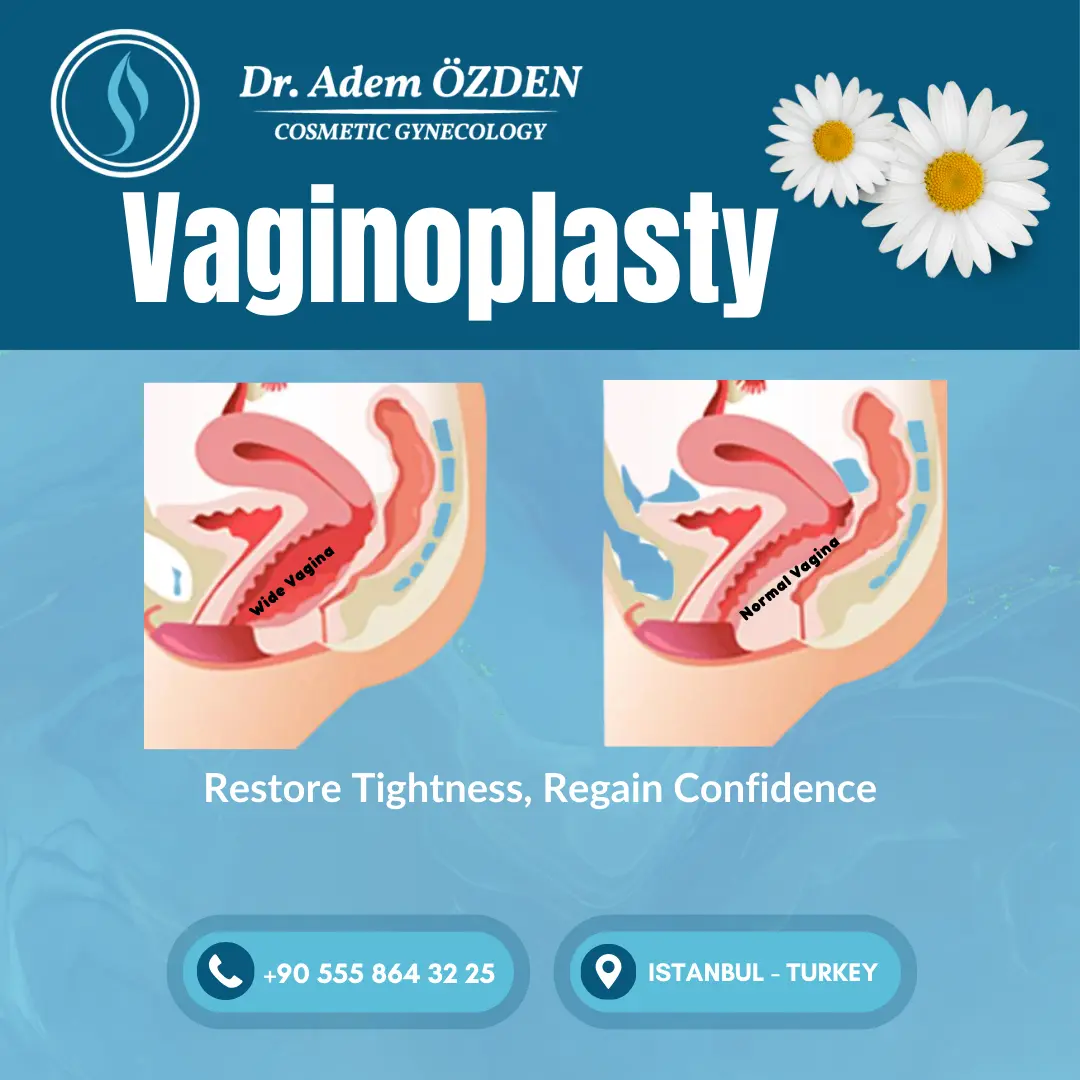
What Is Vaginoplasty?
Vaginoplasty is a surgical procedure that reconstructs and tightens the vaginal canal by repairing weakened or separated muscles and removing excess tissue. While the term appears in several medical contexts (including gender affirmation surgery), for women seeking improvement after childbirth or aging, vaginoplasty refers specifically to vaginal tightening surgery.
The procedure addresses the internal structure of the vagina. It is not the same as labiaplasty (which reshapes the labia), perineoplasty (which repairs the perineum), or clitoral hood reduction. However, vaginoplasty is frequently combined with one or more of these procedures when a patient's anatomy and goals call for a more comprehensive approach. The umbrella term "vaginal rejuvenation" can refer to any or all of these treatments, which sometimes creates confusion. Vaginoplasty specifically targets the internal canal and its muscular support.
Basically, it is a procedure that tightens the vaginal canal and its supporting muscular structures, restoring both function and confidence. For women considering this surgery, Istanbul has become one of the top destinations worldwide. Dr. Özden performs vaginoplasty at his clinic in Istanbul, Turkey, bringing over 30 years of specialized OB/GYN experience to every procedure.
Contact Us Now For a Consultation
Get a consultation from Dr. Adem Ozden!
Why Vaginal Laxity Occurs?
Understanding the cause helps clarify why surgery works. Vaginal delivery, particularly multiple births or delivery of a large baby, stretches the vaginal tissues and can separate the levator ani muscle complex, which is the primary structural support of the vaginal canal. Many patients are unaware this muscle separation has occurred. They only notice the symptoms: reduced friction during intercourse, a persistent feeling of openness, or physical discomfort.
Aging compounds these changes. Declining estrogen levels, especially during and after menopause, reduce tissue elasticity and affect the integrity of the vaginal walls. The combination of childbirth-related stretching and age-related tissue changes is the most common scenario among women seeking vaginoplasty in Istanbul.
Less commonly, genetic predisposition or significant weight fluctuations can also contribute to vaginal laxity even in women who have not given birth vaginally.
What Does Vaginoplasty Achieve?
Preparing for vaginoplasty involves several important steps, beginning with the initial consultation and extending through various pre-operative requirements. This preparation phase underscores that vaginoplasty is a significant surgical procedure requiring patient commitment and planning for optimal safety and results.
The consultation itself is a critical first step. During this meeting, the patient will have an in-depth discussion with the surgeon about their specific concerns, desired outcomes, and complete medical history. A physical examination will be performed to assess the vaginal anatomy and degree of laxity. The surgeon will then explain the recommended surgical approach, detailing the potential techniques, the expected benefits, the possible risks and complications, and the anticipated recovery process. This is also the time for the patient to ask any questions they may have to ensure full understanding. Obtaining informed consent, confirming the patient understands all aspects of the procedure before agreeing to it, is a mandatory part of this process.
Following the decision to proceed, the surgeon will provide specific pre-operative instructions. These typically include:
- Medical Clearance: Patients may need routine blood tests or other medical evaluations to confirm their fitness for surgery and anesthesia.
- Medication Management: Instructions will be given to stop taking certain medications and supplements that can increase bleeding risk, such as aspirin, non-steroidal anti-inflammatory drugs (NSAIDs like ibuprofen), blood thinners, vitamin E, and some herbal remedies, usually starting one to two weeks before surgery. Hormone therapy (like estrogen) may also need to be paused for a specified period before surgery.
- Smoking and Nicotine Cessation: Complete cessation of smoking, vaping, and all nicotine products is typically required for several weeks (often at least 3 months) before and after surgery due to nicotine's severe negative impact on blood flow and tissue healing. Nicotine testing may be performed to confirm compliance.
- Alcohol Restriction: Patients are usually advised to avoid alcohol consumption in the week leading up to surgery.
- Diet and Hydration: Specific instructions regarding eating and drinking will be provided, often involving a clear liquid diet the day before and fasting (nothing by mouth) after midnight. Maintaining good hydration in the days leading up is also important. Bowel preparation might be required the day before surgery to empty the bowels.
- Hygiene: Instructions may include showering with a specific antiseptic soap (like chlorhexidine gluconate - CHG) for a few days before surgery to reduce skin bacteria. Shaving the genital area should generally be avoided close to the surgery date unless specifically instructed.
- Logistical Arrangements: Planning for recovery is crucial. This includes arranging sufficient time off from work or other responsibilities (typically 1-2 weeks minimum, potentially more) , organizing transportation home after surgery, and ensuring a support person is available, particularly during the first few days of recovery. Preparing the home environment by stocking necessary supplies (like pads, comfortable clothing, cushions) and perhaps pre-making meals can ease the recovery process.
- Emotional Well-being: Acknowledging the emotional component of undergoing surgery is important. Utilizing support systems like family, friends, or therapists can be beneficial.
The comprehensive nature of these preparations highlights that vaginoplasty requires careful planning and patient participation to ensure the best possible outcome.
Are You a Good Candidate for Vaginoplasty?
Not every woman experiencing some degree of laxity needs surgery. Candidacy is evaluated based on a combination of physical findings, symptom severity, health status, and patient expectations.
Women who benefit most from vaginoplasty typically experience vaginal laxity that is bothersome enough to affect their daily comfort, intimate life, or self-perception. Laxity is usually confirmed by physical examination, not just subjective feeling. Good candidates are in overall good health, with no uncontrolled medical conditions that would elevate surgical risk.
Completed family planning is strongly recommended. A future vaginal delivery will stretch the repaired tissues and can reverse the surgical result. This is one of the most important timing considerations, especially for younger patients. It does not mean vaginoplasty is off-limits for women who may want children later, but it does mean the benefits may not be permanent in that scenario.
Smoking is a hard disqualifier. Nicotine constricts blood vessels and severely impairs wound healing in the delicate vaginal tissues. Complete cessation of all nicotine products (cigarettes, vaping, patches, gum) is required well before surgery and throughout recovery. Compliance may be verified with nicotine testing. Other factors that may affect suitability include active genital infections, untreated pelvic floor disorders, very high BMI, or expectations that are not aligned with what the procedure can realistically deliver.
The Role of the Consultation: A consultation is not a formality. It is the single most important step in determining whether vaginoplasty is right for you. During this meeting, Dr. Özden reviews your medical history, discusses your specific symptoms and goals in detail, and performs a physical examination to assess the degree of laxity, muscle separation, and overall vaginal anatomy. He then explains the recommended surgical approach, the expected outcome, the risks, and what recovery will look like.
For patients traveling to Istanbul from abroad, Dr. Özden offers preliminary remote consultations via video call or secure photo sharing. This allows an initial assessment and discussion before you commit to travel. A comprehensive in-person evaluation in Istanbul is always performed before surgery is confirmed.
Vaginoplasty Results: What Patients Can Realistically Expect
The majority of women who undergo vaginoplasty report meaningful improvement in vaginal tightness, physical comfort, and sexual satisfaction. These outcomes are well-documented in clinical literature and consistent with decades of clinical practice. The physical result, a firmer, narrower vaginal canal with restored muscular support, is typically noticeable within the first few weeks and continues to improve as swelling resolves and tissues mature over the following months. Patients commonly describe resolution of the symptoms that prompted surgery: laxity, reduced sensation, practical difficulties with tampons, and discomfort during physical activity.
The psychological impact should not be underestimated. Many women describe a significant boost in confidence and comfort in their own bodies, particularly in intimate contexts. In clinical practice, this psychological benefit often matters just as much to patients as the functional improvement. Results are long-lasting, but not immune to the effects of time. Natural aging will continue to affect tissue elasticity, and a future vaginal delivery would stretch the repaired structures. Maintaining a healthy lifestyle, including regular pelvic floor exercises, can help preserve results over the long term.
How Vaginoplasty Is Performed: Dr. Özden's Surgical Approach
The procedure is performed under general anesthesia in a sterile surgical environment and typically takes one to two hours, depending on the extent of correction and whether combined procedures are included.
Incisions within the vaginal canal. The surgeon makes precise incisions in the vaginal lining (mucosa), most commonly along the posterior (back) wall. The placement and length are determined by the specific areas requiring tightening. An alternative lateral approach (along the sides) may be used depending on the individual anatomy.
Muscle repair is the core of the procedure. The stretched or separated vaginal muscles, including the levator ani, bulbocavernosus, and transversus perinealis, are identified and carefully brought together with strong, layered sutures. This internal restructuring is what actually narrows the vaginal canal and restores support. This step requires precise surgical judgment: the goal is a result that feels firm and supportive, not artificially tight. Overcorrection can lead to stenosis (excessive narrowing) and painful intercourse, which is why experience matters significantly in this procedure.
Removal of excess tissue. Once the muscles have been tightened, any redundant vaginal lining is carefully measured and excised. Removing too much tissue risks complications; removing too little leaves a less satisfactory result. This is where decades of surgical experience make a measurable difference in outcomes.
Closure with dissolvable sutures. The vaginal lining is closed meticulously. The sutures dissolve on their own over several weeks, so no removal appointment is needed. The vaginal opening (introitus) may also be narrowed as part of the closure if indicated.
When appropriate, vaginoplasty is combined with perineoplasty to address laxity at the vaginal entrance and perineal body simultaneously. This combined approach is common when childbirth has caused both internal stretching and external perineal damage. After surgery, sterile packing may be placed inside the vagina for support and initial bleeding control. A temporary urinary catheter and small drains may also be used, depending on the case.
Preparing for Vaginoplasty Surgery
Once the decision to proceed has been made, preparation focuses on optimizing your body for surgery and planning your recovery logistics.
Pre-operative blood work and medical clearance confirm your fitness for anesthesia. Medications that increase bleeding risk, such as aspirin, ibuprofen, blood thinners, vitamin E, and certain herbal supplements, must be stopped one to two weeks before the procedure. If you take hormone therapy (such as estrogen), your surgeon will advise when to pause it.
Bowel preparation is typically required the day before surgery, since the surgical site is in proximity to the rectum and a clean field reduces infection risk. You will be instructed to follow a clear liquid diet the day before and fast after midnight. Showering with antiseptic soap (chlorhexidine) for several days beforehand helps reduce bacterial load on the skin.
Recovery planning is just as important as physical preparation. You should arrange at least one to two weeks away from work, organize someone to drive you home and stay with you for the first few days, and stock your recovery space with essentials: sanitary pads, loose cotton clothing, a donut cushion for sitting comfort, high-fiber foods, and any prescribed medications.
Recovery After Vaginoplasty: What to Expect
Recovery from vaginoplasty requires patience and discipline. Cutting corners on post-operative instructions is one of the most common reasons for complications.
Days 1 through 7: Soreness, swelling, and bruising peak in the first few days and then gradually improve. Prescribed pain medication manages discomfort effectively, and most patients transition to over-the-counter pain relief within a week. Light vaginal bleeding or spotting is normal. Use sanitary pads only; tampons are strictly prohibited. Vaginal packing, if placed, is removed within one to two days, often before discharge. Catheters and drains are similarly short-term. Most patients are discharged the same day or after one night of observation. Rest is essential, but complete immobility is not the goal. Short, gentle walks starting from day one help circulation and reduce the risk of blood clots. Avoid wide leg movements, prolonged sitting (a donut cushion helps), and any form of straining.
Weeks 2 through 6: Activity restrictions remain important during this phase. Heavy lifting (anything over roughly 5 kg), vigorous exercise, running, cycling, and swimming are off-limits for four to six weeks. Sedentary work may be resumed after one to two weeks; physically demanding work typically requires four to eight weeks. Sexual intercourse and tampon use remain restricted for six to eight weeks, or until your surgeon confirms healing is adequate at a follow-up appointment. Maintaining meticulous hygiene is non-negotiable during this period: gentle cleansing, patting dry, wiping front to back, avoiding baths and pools, and wearing loose cotton underwear. A high-fiber diet with plenty of water prevents constipation and the straining that comes with it. Swelling decreases gradually but may persist in subtle ways for weeks. Temporary numbness, tingling, or itchiness in the area is normal as nerves recover.
After 6 to 8 Weeks: Most patients can gradually resume exercise, sexual activity, and full daily routines around the six-to-eight-week mark, with surgeon clearance. However, final results are not immediate. Residual swelling can take four to six months to fully resolve. Tissues continue to soften and settle. Full sensation typically returns over several months. Scarring from vaginoplasty is primarily internal. External visible scarring is uncommon.
Unlike vaginoplasty for vaginal creation (often part of gender affirmation surgery), which requires ongoing dilation, routine long-term dilation is generally not necessary after tightening surgery. Your surgeon may prescribe short-term dilator use to maintain appropriate openness during healing. Follow the specific instructions you receive.
Risks and Complications: Honest Information
Transparency about risks is a non-negotiable part of the informed consent process. Vaginoplasty is generally safe and carries high satisfaction rates, but it is a surgery, and complications are possible.
Pain and dyspareunia. While post-operative discomfort is expected and temporary, some patients experience persistent pain or painful intercourse. This is more likely if overcorrection (excessive tightening) occurs, which underscores the importance of a surgeon who exercises careful judgment about how much to tighten.
Vaginal stenosis. Excessive narrowing of the canal or opening can make intercourse, tampon use, or even pelvic exams difficult. This is one of the most important reasons to choose a surgeon with significant vaginoplasty experience, as stenosis is largely a technical error.
Sensation changes. Temporary numbness or altered sensation is common and usually resolves. Permanent sensory changes are rare but possible due to nerve irritation during surgery.
Wound healing complications. Delayed healing, wound separation (dehiscence), or excessive granulation tissue can occur, particularly in smokers or patients who do not follow hygiene and activity restrictions.
Infection. Despite preventive antibiotics and antiseptic protocols, surgical site infections can develop. Meticulous post-operative hygiene significantly reduces this risk.
Hematoma or excessive bleeding. Blood collection under the tissues may occur and occasionally requires drainage.
Fistula. A rare but serious complication involving an abnormal connection between the vagina and rectum or bladder. This requires additional corrective surgery.
Urinary changes. Temporary difficulty urinating or changes in the urinary stream can occur.
Unsatisfactory results. The vagina may feel too tight, still too loose, or asymmetric. Revision surgery is sometimes needed.
How Risks Are Minimized: Three factors have the greatest impact on safety: the surgeon's experience and technique, careful patient selection, and the patient's own compliance with instructions. Published research consistently shows that complication rates are lower with surgeons who perform these procedures regularly. Dr. Özden's career spans more than 30 years in Obstetrics and Gynecology, including surgical practice, academic work at Marmara University Pendik Training and Research Hospital, and focused expertise in genital aesthetic surgery. This depth of experience directly informs the precision and judgment he brings to every vaginoplasty he performs.
Non-Surgical Alternatives: When Surgery Is Not the Only Option
Not every woman with vaginal laxity needs or wants surgery. Non-surgical options may be appropriate for women with mild laxity or those who prefer to avoid surgery.
Pelvic floor physiotherapy and Kegel exercises can improve muscle tone in mild cases, though they cannot repair significantly separated muscles or remove excess tissue. Laser vaginal treatments (such as CO2 fractional laser) and radiofrequency devices stimulate collagen remodeling in the vaginal walls and can produce modest tightening. These non-surgical options typically require multiple sessions, produce subtler results than surgery, and may need periodic maintenance treatments.
These alternatives are most appropriate for women whose laxity is mild or who have medical reasons to avoid surgery. For moderate to significant laxity, particularly with confirmed muscle separation, vaginoplasty remains the most effective and durable treatment.